Ristosano home Foods and Services for Dysphagia.

Categories
Uncategorized

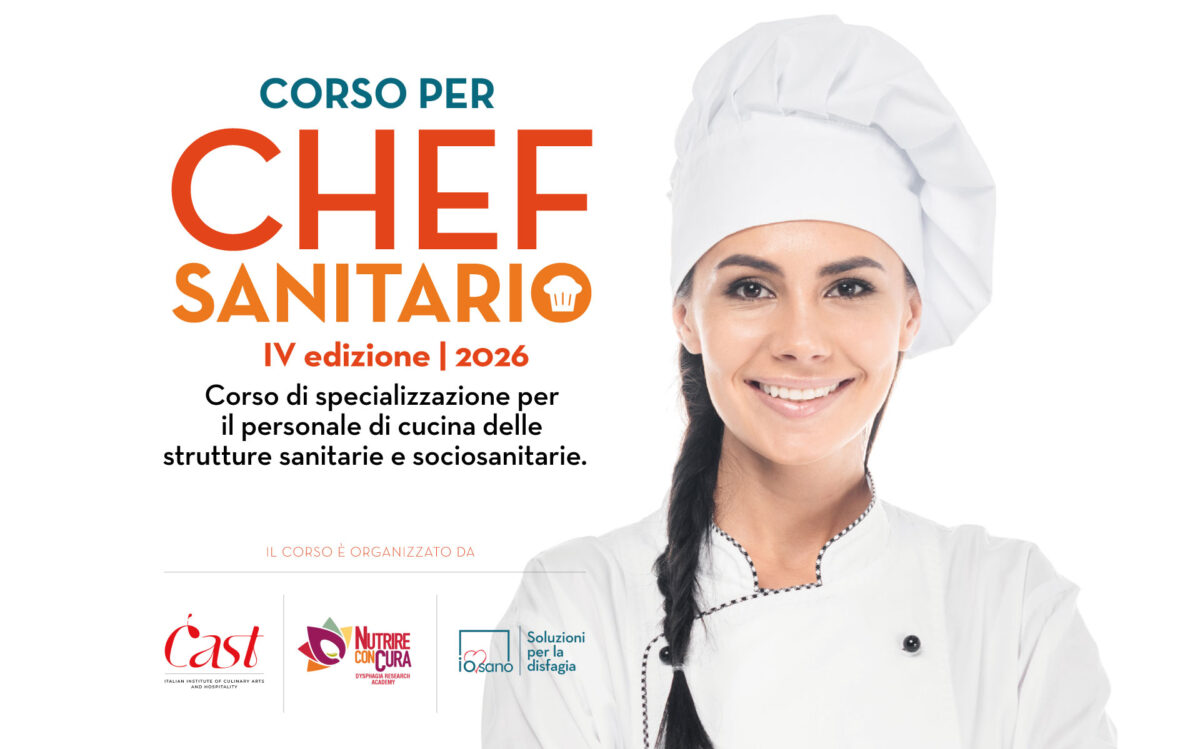
Chef Sanitario 2026: un Corso che unisce cucina, salute e cura delle persone

Per caregiver e volontari, un’opportunità per diventare protagonisti della ristorazione in strutture sanitarie e sociosanitarie

In un mondo dove il cibo è sempre più riconosciuto come strumento di salute e inclusione, nasce e si evolve il Corso per Chef Sanitario, ormai alla sua quarta edizione. Dal 29 ottobre al 13 novembre 2026, questo percorso di specializzazione si propone come un punto di riferimento per tutti coloro che desiderano unire competenze culinarie a conoscenze nutrizionali e sanitarie, con un impatto concreto sulla vita delle persone.

Ma chi è lo Chef Sanitario? E soprattutto, perché caregiver e volontari dovrebbero partecipare?

Lo Chef Sanitario: Un Professionista al Centro della Cura

Lo Chef Sanitario non è un semplice cuoco. È un professionista che:

  • Conosce le esigenze nutrizionali specifiche di pazienti con patologie (come disfagia, diabete, ipertensione)
  • Sa adattare i piatti alle capacità motorie e cognitive delle persone
  • Lavora in strutture sanitarie e sociosanitarie (RSA, RSD, hospice, centri diurni)
  • Collabora con nutrizionisti, medici e caregiver per garantire pasti sicuri, gustosi e significativi
  • Trasforma il momento del pasto in un’esperienza di cura dignitosa e umana

Questo corso, organizzato da CAST Alimenti – Nutrire con Cura con il sostegno di IO SANO, nasce proprio per rispondere alla crescente necessità di figure professionali che operino in modo efficace in contesti dove la ristorazione diventa parte integrante del percorso di cura.

Perché Caregiver e Volontari Sono Essenziali in Questo Corso

Caregiver e volontari sono spesso i prima linee della cura quotidiana. Conoscono le difficoltà delle persone che assistono: il rifiuto del cibo, la perdita di Appetito, le difficoltà a deglutire, la frustrazione di non riuscire a mangiare come prima. Eppure, raramente hanno accesso a formazione specifica su come trasformare il pasto in un momento di benessere.

Il Corso per Chef Sanitario offre proprio questo:

1. Competenze Pratiche per la Vita Quotidiana

  • Come preparare piatti facili da deglutire ma gustosi
  • Quali tecniche di cottura preservano nutrients e texture
  • Come modificare ricette tradizionali per adattarle a esigenze specifiche
  • Come presentare il cibo per stimolare l’Appetito e l’indipendenza

2. Consapevolezza Nutrizionale

  • Riconoscere i segni di malnutrizione o rischi di disfagia
  • Comprendere l’importanza di proteine, vitamine e liquidi nella cura
  • Sapere quando consultare un professionista e come collaborare con lui

3. Empatia e Comunicazione

  • Imparare a leggere le emozioni legate al cibo
  • Saper coinvolgere la persona nella scelta e preparazione del pasto
  • Trasformare il pasto in un momento di relazione, non solo di cura

4. Riduzione dello Stress e del Carico Emotivo

  • Avere strumenti concreti riduce l’ansia di “non sapere cosa fare”
  • Sentirsi più competenti e sicuri nella quotidianità
  • Condividere esperienze con altri caregiver e volontari crea supporto reciproco

Il Corso: Struttura e Contenuti

Il percorso di specializzazione è rivolto a professionisti con un sufficiente background tecnico, ma è particolarmente adatto anche a caregiver e volontari che desiderano acquisire competenze specifiche per operare in modo efficace in strutture sanitarie e sociosanitarie.

Moduli Principali:

  • Cucina e Nutrizione: principi nutrizionali, bilancio alimentare, esigenze specifiche
  • Disfagia e Adattamento dei Piatti: texture, consistenze, tecniche di modifica
  • Ristorazione in RSA e RSD: normative, organizzazione, collaborazione con il team
  • Gestione del Pasto: presentazione, comunicazione, coinvolgimento della persona
  • Sicurezza Alimentare: igiene, conservazione, prevenzione rischi

Il corso include laboratori praticisessioni di cucina dimostrativa e case study reali da strutture sanitarie.

Un Investimento sulla Qualità della Cura

Partecipare al Corso per Chef Sanitario non è solo un’opportunità di formazione: è un investimento sulla qualità della cura che caregiver e volontari offrono ogni giorno. È riconoscere che il cibo è parte integrante del benessere, che il pasto è un diritto fondamentale e che la cucina può essere un luogo di cura e dignità.

Come Partecipare

Il Corso per Chef Sanitario 2026, IV edizione, si terrà dal 29 ottobre al 13 novembre 2026. Le iscrizioni sono già aperte sul sito di Nutrire con Cura.

Destinatari:

  • Professionisti della cucina con background tecnico
  • Caregiver familiares e professionali
  • Volontari di strutture sanitarie e sociosanitarie
  • Nutrizionisti, medici e operatori sanitari interessati alla ristorazione
Categories
Uncategorized

Dysphagia: What It Is and How It Is Treated

Swallowing is a natural process that allows us to eat safely, ensuring that our bodies receive all the nutrients they need. Indysphagia, this process becomes difficult and sometimes risky: the passage of food from the mouth to the stomach can be impeded, with consequences for health, well-being, and quality of life, especially when care is provided at home.

For RistoSanoHome, discussing dysphagia means focusing on safety in daily life, ready-to-eat meals tailored to the needs of frail individuals, and practical support for those caring for patients at home. Difficulty swallowing is common among the elderly and people with neurological or chronic conditions, and is often accompanied by coughing while eating, regurgitation, weight loss, and dehydration.

Why does dysphagia occur?

Dysphagia is not a disease, but a symptom that can have many causes, including:

  • Neurological disorders (such as stroke, dementia, and head trauma)
  • Infectious, metabolic, or neuromuscular disorders
  • Structural abnormalities (head and neck tumors, scars, surgical sequelae)
  • Medical treatments (radiation therapy, chemotherapy, certain medications)

If you experience symptoms such as coughing during or after meals, difficulty or fatigue while eating, changes in your voice, or weight loss, it is essential to consult your doctor and a speech-language pathologist before making any changes to your diet on your own.

Risks in the family that should not be underestimated

If not recognized and managed properly, dysphagia can lead to:

  • Dehydration and malnutrition
  • Aspiration pneumonia and respiratory complications caused by food getting stuck in the windpipe
  • Episodes of choking
  • Weight loss and general weakness

At home, a diet that is not suited to a person’s swallowing ability increases the risk of aspiration (food or liquids entering the airways) and turns mealtime into a source of anxiety for both the patient and the caregiver.

The roles of the physician, speech-language pathologist, and dietitian

The doctor and speech-language pathologist are the points of contact for:

  • Assess the condition and the level of risk
  • Suggest exercises to improve control of the swallowing muscles
  • Recommend safer eating positions, feeding methods, and meal schedules
  • Determine which food and beverage textures are suitable for that person

Once you’ve received professional advice, it’s essential to put that advice into practice in your daily life: what to cook, how to prepare it, and how to ensure the right texture in every dish—all without sacrificing the flavor and variety of your home-cooked meals.

Modified textures at home: RistoSanoHome's response

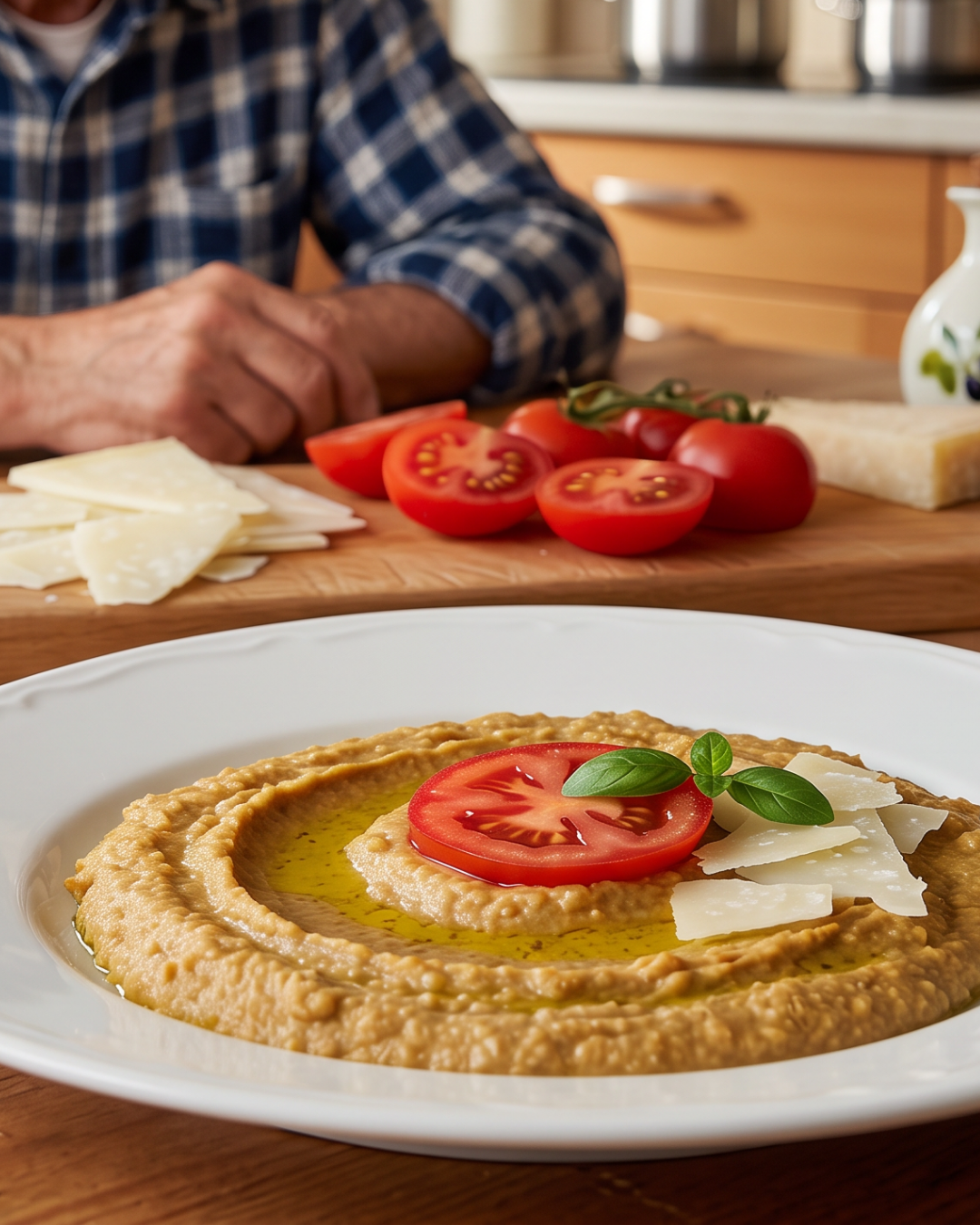
This is where RistoSanoHome comes in: a line of ready-to-eat meals designed for people withdysphagia who are eating at home, featuring modified, smooth, and safe textures that make swallowing easier without compromising on taste.

By following the specialist’s instructions, you can do the following at home:

  • Choose smooth textures, free of chunks, lumps, or strands
  • Choose dishes that are already tailored to the patient’s specific needs in terms of consistency and texture
  • Divide meals into smaller, more frequent portions without having to cook several times a day
  • Ensuring complete and balanced meals that are easy to reheat, for safe and nutritious eating

RistoSanoHome meals are designed to ease the burden on families and caregivers: they are delivered directly to your home, are ready to heat up, and offer varied, balanced menus tailored for those who have difficulty swallowing.

When to see a doctor

It is important to consult your doctor if:

  • Difficulty swallowing recurs and persists over time
  • Coughing, spitting up, and a gurgling voice often occur during or after meals
  • Symptoms include weight loss, dehydration, loss of appetite, or refusal to eat

Only a specialist evaluation can determine the most appropriate rehabilitation and nutritional plan. RistoSanoHome fits into this process as a practical ally in the daily management of meals at home, helping to make mealtimes more relaxed, safe, and nutritious for people with dysphagia and their caregivers.

Categories
Uncategorized

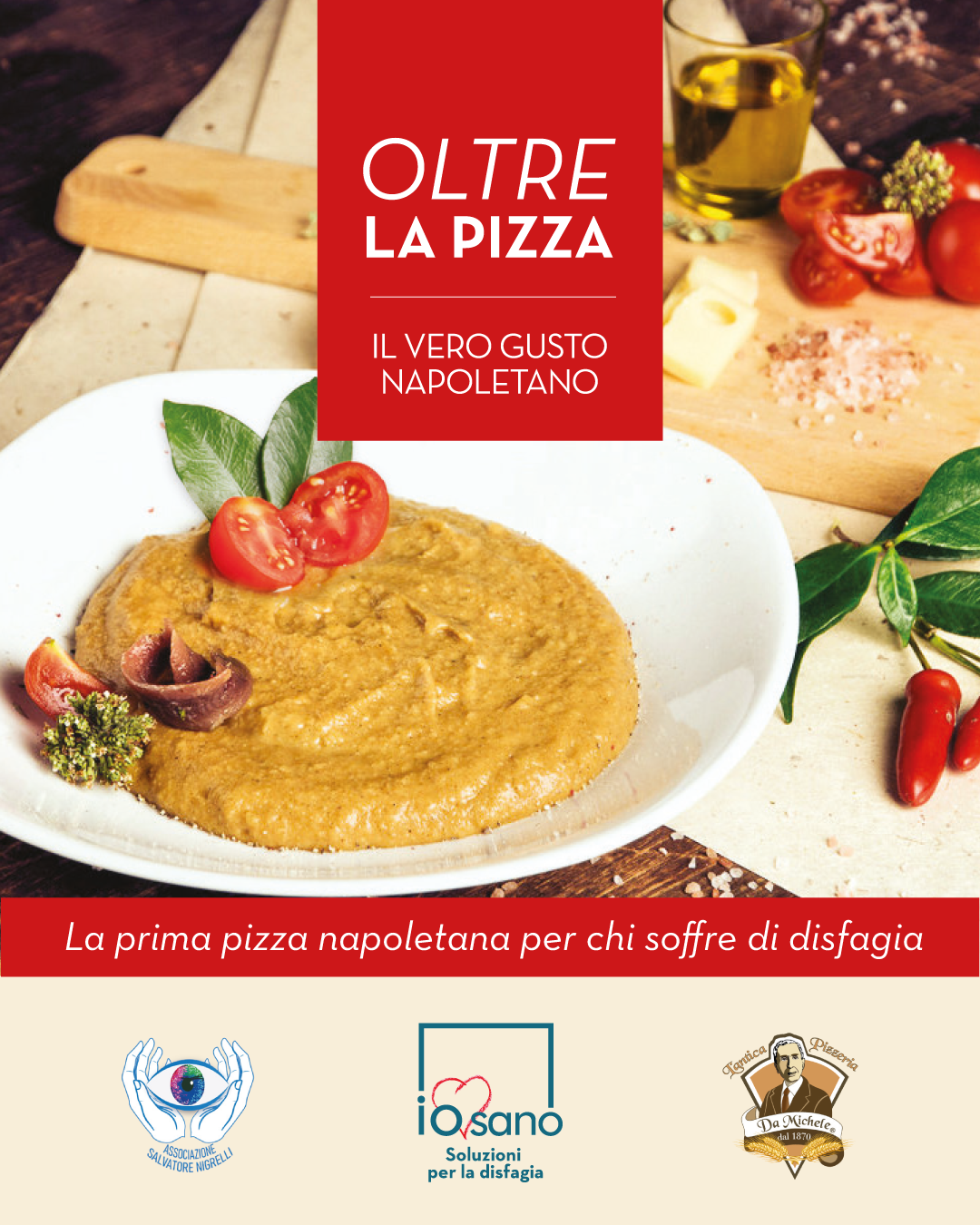
OLTRE LA PIZZA | La prima pizza napoletana per chi soffre di disfagia.

“Beyond Pizza” is a project that combines food inclusion with culinary tradition, conceived and brought to life through a collaboration betweenthe Salvatore Nigrelli Association, Io Sano | Solutions for Dysphagia, andL’ANTICA PIZZERIA DA MICHELE S.R.L.in the World.

Starting today, the Antiza Pizzeria Da Michele in the World locations in Caserta, Aversa, Pompeii, and Salerno will offer a pizza designed for people with dysphagia, allowing those living with this condition to enjoy a meal consisting of pizza, a drink, and dessert—all with modified, safe textures—free of charge, even for takeout!

  • Focus on quality
  • Authentic flavor
  • Reliable support for those with special needs

A step toward more accessible dining—good for everyone!


Categories
Uncategorized

5 consigli per migliorare la vita di un paziente disfagico

Perfectly smooth foods, beverages thickened to the right consistency, proper posture while swallowing, and more. There are also some valuable tips for improving the quality of life for people with dysphagia.
Here are 5 practical tips that can help improve the quality of life for patients with dysphagia:

  1. Proper Positioning During Meals
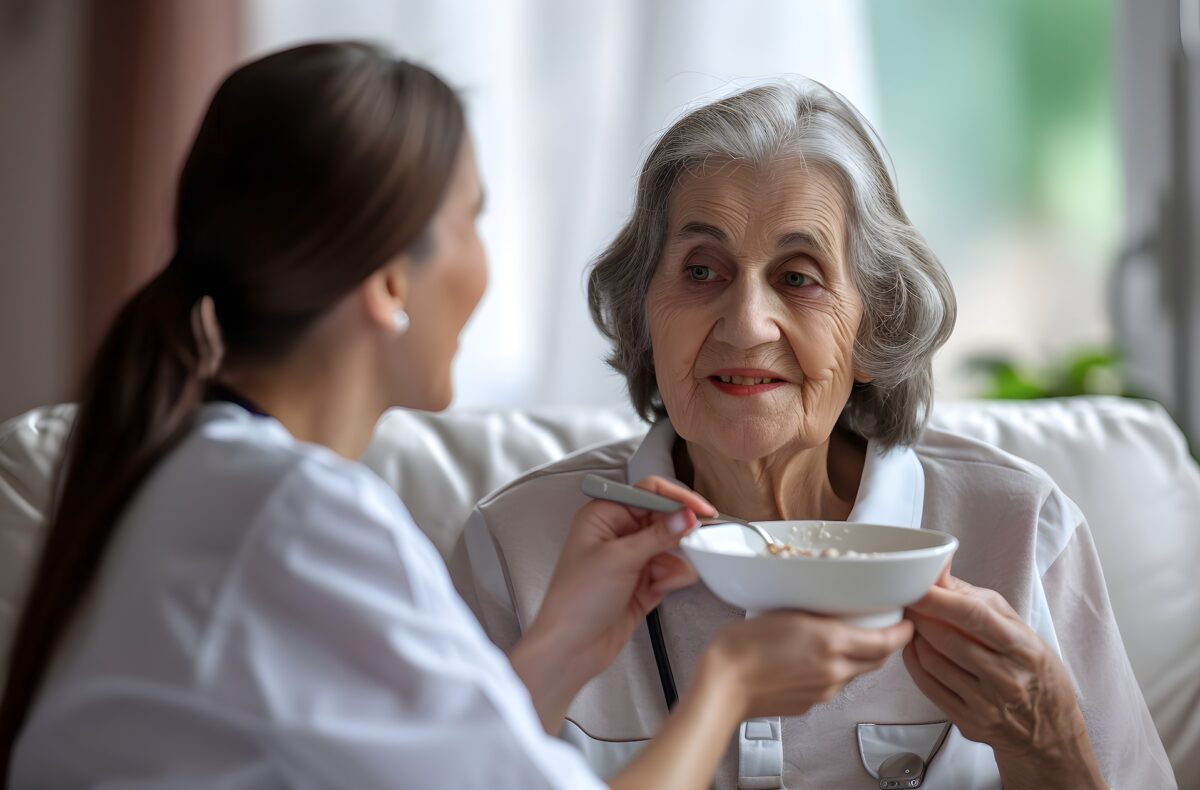
    Posture is essential for proper swallowing. The ideal position is sitting, with the patient supported by forearm rests and feet flat on the floor. For bedridden patients, it is advisable to raise the torso using pillows.
  2. A calm and comfortable environment
    The environment in which a meal is eaten plays an important role. Choosing a calm, quiet, and well-lit place helps the patient focus on swallowing and reduces stress.
  3. Eat slowly and mindfully
    Rushing is the enemy of proper swallowing. It is important to chew each bite thoroughly and swallow slowly, without distractions. Meals should not last longer than 45 minutes to avoid fatigue and loss of concentration.
  4. Maintaining proper posture throughout the meal
    Once you have found the correct position, it is important to maintain it for the duration of the meal. Even small movements of the head or hands can interfere with swallowing.
  5. Oral hygiene after meals
    After the meal, it is important to keep the patient in the same position for about 15 minutes. Afterward, perform thorough oral hygiene to remove any food debris from the mouth and prevent the risk of aspiration.

These are just a few practical tips that can help improve the quality of life for a patient with dysphagia. It is important to remember that every case is unique and that the nutrition plan must be tailored to the patient’s specific needs.

Skip to content