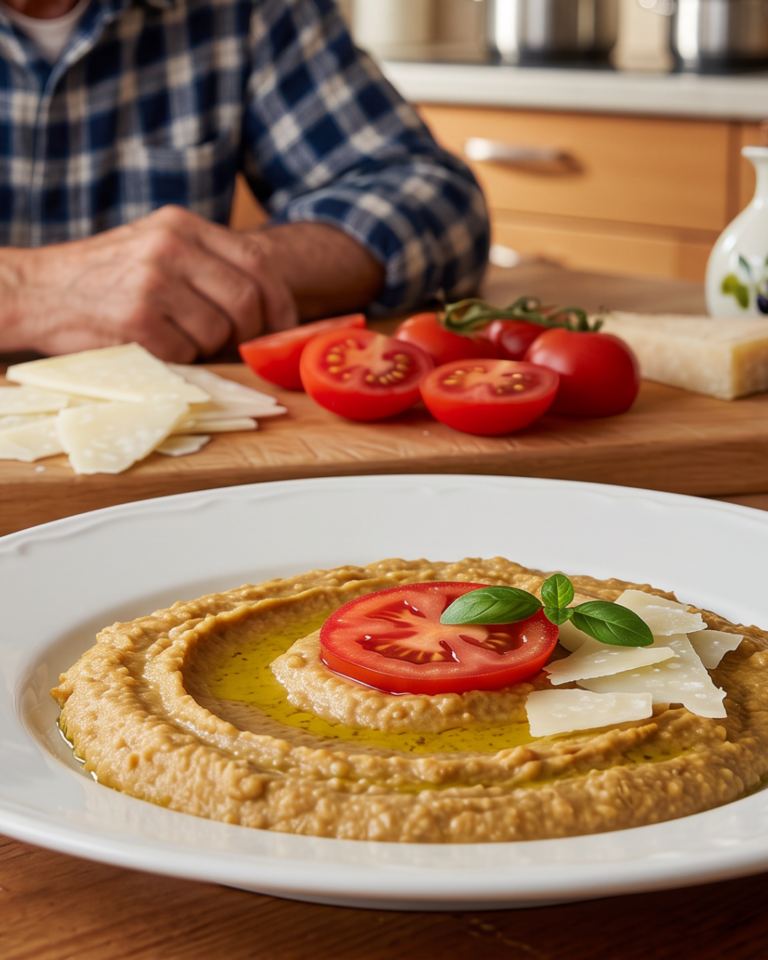
Swallowing is a spontaneous action that allows us to eat safely, ensuring that our bodies receive all the nutrients they need. Indysphagia, this action becomes difficult and sometimes risky: the passage of food from the mouth to the stomach can be impeded, with consequences for health, well-being, and quality of life, especially when care is provided at home.
For RistoSanoHome, discussing dysphagia means addressing safety in daily life, ready-to-eat meals tailored to the needs of frail individuals, and practical support for those who care for patients at home. Difficulty swallowing is common among the elderly and people with neurological or chronic conditions, and is often accompanied by coughing while eating, regurgitation, weight loss, and dehydration.
Why Does Dysphagia Occur?
Dysphagia is not a disease, but a symptom that can have many causes, including:
- Neurological disorders (such as stroke, dementia, and head injuries)
- Infectious, metabolic, or neuromuscular disorders
- Structural abnormalities (head and neck tumors, scars, surgical sequelae)
- Medical treatments (radiation therapy, chemotherapy, certain medications)
When symptoms such as coughing during or after a meal, slowness and difficulty eating, changes in the voice, or weight loss appear, it is essential to consult a doctor and a speech-language pathologist before making any changes to your diet on your own.
Risks in the Family That Should Not Be Underestimated
If not recognized and managed properly, dysphagia can lead to:
- Dehydration and Malnutrition
- Aspiration pneumonia and respiratory complications caused by food getting stuck in the windpipe
- Episodes of choking
- Weight loss and general weakness
At home, a diet that is not adapted to a person’s swallowing abilities increases the risk of aspiration (food or liquids entering the airways) and turns mealtime into a source of anxiety for both the patient and the caregiver.
The Roles of Doctors, Speech-Language Pathologists, and Nutritionists
The doctor and speech-language pathologist are the points of contact for:
- Assess the condition and the level of risk
- Suggest exercises to improve control of the swallowing muscles
- Suggest safer eating positions, feeding methods, and meal schedules
- Determine which food and beverage textures are suitable for that person
Once you’ve received the specialist guidelines, it’s essential to apply them to your daily life: what to cook, how to prepare it, and how to ensure the right texture in every dish—all without sacrificing the flavor and variety of your home-cooked meals.
Modified textures at home: RistoSanoHome's response
This is where RistoSanoHome comes in: a line of ready-to-eat meals designed for people withdysphagia at home, featuring modified, smooth, and safe textures, created to make swallowing easier without compromising on taste.
By following the specialist's instructions, you can do the following at home:
- Choose smooth textures, without pieces, lumps, or strands
- Choose dishes that are already adjusted for density and texture, in line with the patient's needs
- Divide meals into smaller, more frequent portions, without having to cook several times a day
- Ensure complete and balanced meals that are easy to reheat, for safe and nutritious eating
RistoSanoHome meals are designed to ease the burden on families and caregivers: they are delivered directly to your home, are ready to heat up, and offer varied, balanced menus tailored for those who have difficulty swallowing.
When to See a Doctor
It is important to consult your doctor if:
- Difficulty swallowing recurs and persists over time
- Coughing, spitting up, and a gurgling voice often occur during or after meals
- Symptoms include weight loss, dehydration, loss of appetite, or refusal to eat
Only a specialist evaluation can determine the most appropriate rehabilitation and nutritional plan. RistoSanoHome fits into this process as a practical ally in the day-to-day management of meals at home, helping to make mealtimes more peaceful, safe, and nutritious for people with dysphagia and their caregivers.